
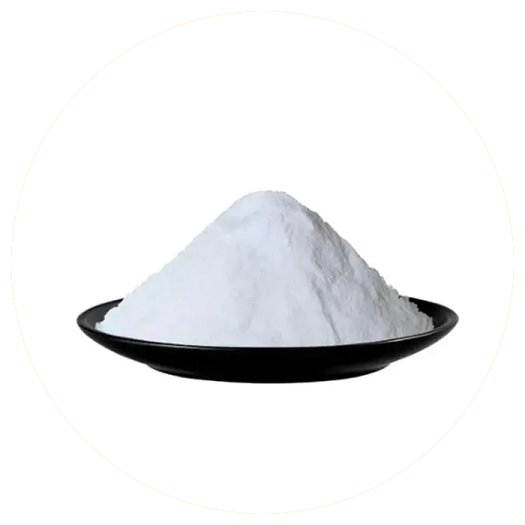
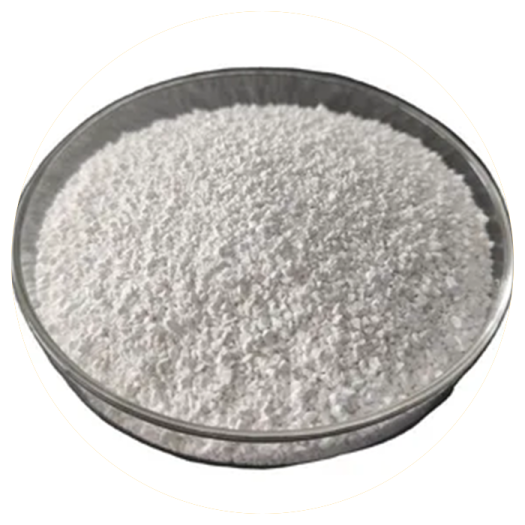
Sodium Hypophosphite,CAS:7681-53-0(Anhydrous);10039-56-2(Monohydrate),сельское хозяйство, Промышленный класс, Paper and Pulp, Очистка воды, Текстиль, крашение, кожа и моющие средства
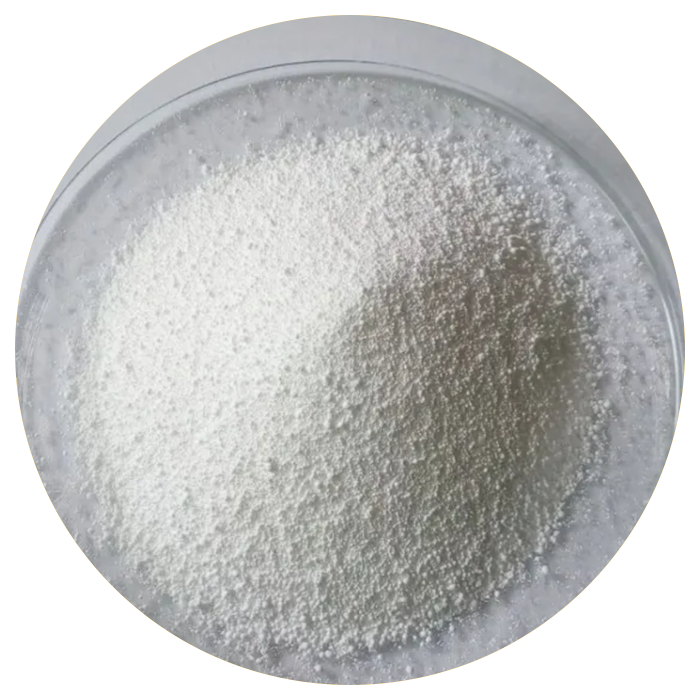
Lignin is a complex organic polymer found in the cell walls of plants, providing structural support and rigidity. It is primarily used in the production of biofuels, paper, and wood products. In the pharmaceutical industry, lignin serves as an excipient in drug formulations due to its biocompatibility. Additionally, lignin-based products are utilized in various applications such as biodegradable plastics, adhesives, and fertilizers. Its antioxidant properties make it valuable in cosmetics and health supplements. Furthermore, lignin is explored for carbon capture technologies, contributing to sustainability efforts by reducing greenhouse gas emissions.


Строго соблюдаем стандарты качества
Lignin is a complex organic polymer found in the cell walls of plants, particularly in woody plants. It serves several important functions and has various applications:
1. **Biomass and Biofuel Production**: Lignin is a major component of lignocellulosic biomass, which can be converted into biofuels. Its presence enhances the structural integrity of plant material, making it a valuable resource for renewable energy.
2. **Paper Industry**: Lignin is a byproduct of the pulping process in paper manufacturing. While it can hinder the quality of paper if not properly removed, it is also used to produce lower-quality paper products and as a binding agent.
3. **Agriculture**: Lignin can be used as a soil conditioner, improving soil structure and water retention. It can also serve as a natural herbicide or pesticide, contributing to sustainable farming practices.
4. **Chemical Feedstock**: Lignin is a source of various chemicals, including phenols and aromatic compounds, which can be used in the production of plastics, resins, and adhesives.
5. **Construction Materials**: Lignin can be incorporated into bio-composites, enhancing the mechanical properties of materials used in construction and furniture manufacturing.
6. **Pharmaceuticals**: Some studies suggest that lignin and its derivatives have antioxidant and antimicrobial properties, making them potential candidates for pharmaceutical applications.
7. **Biodegradable Plastics**: Researchers are exploring lignin as a raw material for producing biodegradable plastics, offering an eco-friendly alternative to petroleum-based plastics.
8. **Textile Industry**: Lignin can be used in dyeing processes and as a natural dye, providing an alternative to synthetic dyes.
In summary, lignin has diverse applications across various industries, particularly in sustainability and the development of bio-based products.
| SKU | 7681-53-0(Anhydrous);10039-56-2(Monohydrate) |
|---|---|
| EINECS | 231-669-9/ |
| HS Code | 283510 |
| Формула | Nah2po2/Nah2po2.H2O |
| Чистота | ≥99% |
| Приложение | сельское хозяйство, Промышленный класс, Бумага и целлюлоза, Очистка воды, Текстиль, крашение, кожа и моющие средства |
| Применение | Lignin is a complex organic polymer found in the cell walls of plants, providing structural support and rigidity. It is primarily used in the production of biofuels, paper, and wood products. In the pharmaceutical industry, lignin serves as an excipient in drug formulations due to its biocompatibility. Additionally, lignin-based products are utilized in various applications such as biodegradable plastics, adhesives, and fertilizers. Its antioxidant properties make it valuable in cosmetics and health supplements. Furthermore, lignin is explored for carbon capture technologies, contributing to sustainability efforts by reducing greenhouse gas emissions. |

Бесплатный образец распространяется на все
клиенты

Производство в строгом соответствии
со стандартами

60/90 дней канадских долларов/ОА
Доступный
Recent Products
-
 Классификация продукции
Ferrous Sulfate
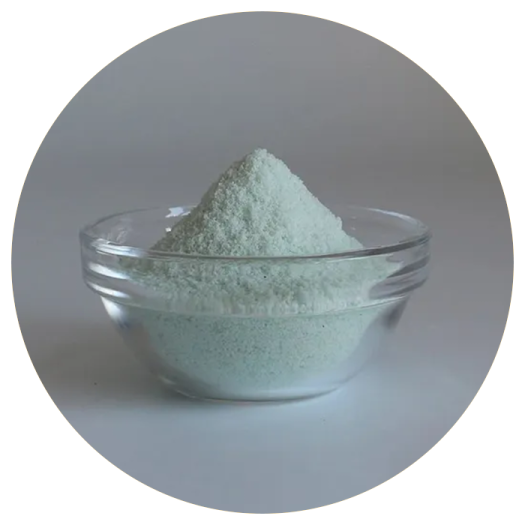
Available: 0 Already Sold: 0CAS:7720-78-7,Ferrous sulfate, a common iron supplement, is primarily used to treat and prevent iron deficiency anemia. It is often prescribed for individuals with low iron levels, such as pregnant women, those with heavy menstrual bleeding, or individuals with certain dietary restrictions. In addition to its medicinal uses, ferrous sulfate serves as a soil amendment in agriculture to correct iron chlorosis in plants. It is also utilized in various industrial applications, including water treatment and as a reducing agent in chemical processes. Proper dosing and adherence to guidelines are essential to avoid side effects.
- Новый
 Gentle New
Magnesium sulphate heptahydrate (EP 7.0)
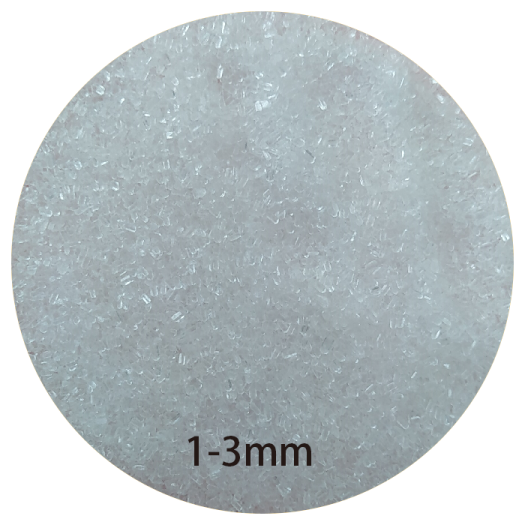
Available: 0 Already Sold: 0Magnesium sulphate heptahydrate (MgSO₄·7H₂O), commonly known as Epsom salt, is widely used in agriculture, industry, medicine, and food processing. In agriculture, it supplies essential magnesium and sulfur nutrients to crops, improving chlorophyll formation and plant growth. Industrially, it is used in textiles, paper manufacturing, and as a drying agent. In medicine, it serves as a laxative, electrolyte replenisher, and treatment for magnesium deficiency. It is also used in bath salts to relieve muscle pain and stress. In the food industry, it functions as a firming agent and mineral supplement.