
Ammonium Bicarbonate,CAS:1066-33-7,сельское хозяйство, Detergents and Cleaning, пищевой, Текстиль, крашение, кожа и моющие средства
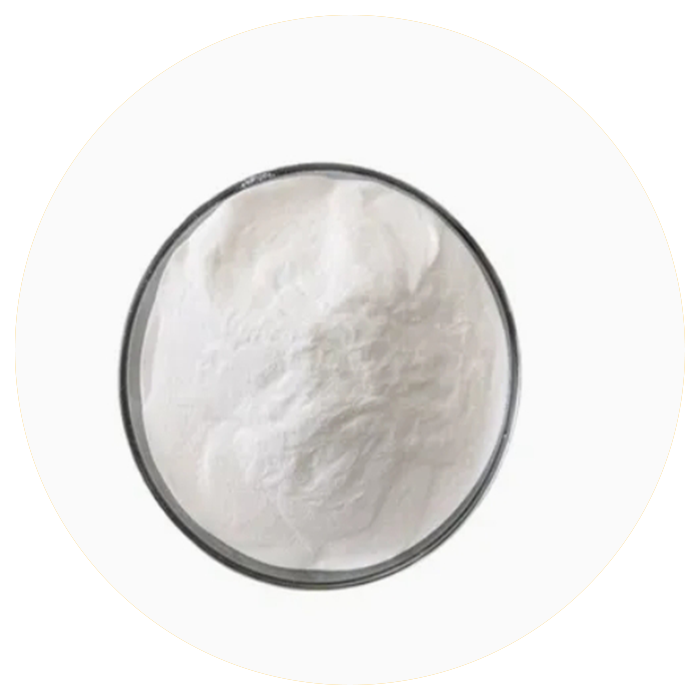
Ammonium bicarbonate (NH₄HCO₃) is commonly used in various industries. In the food industry, it serves as a leavening agent in baking products like cookies and crackers, providing a light, airy texture. It decomposes into ammonia, carbon dioxide, and water when heated, leaving no residue. In agriculture, it’s used as a nitrogen fertilizer, enhancing soil fertility and promoting plant growth. Ammonium bicarbonate also finds applications in pharmaceuticals, acting as a buffering agent, and in the chemical industry, it’s used in the production of dyes, pigments, and ceramics. Additionally, it serves in foam rubber manufacturing and as a gas source for fire extinguishers.


Строго соблюдаем стандарты качества
Ammonium bicarbonate is a versatile compound used in various industries due to its decomposing nature at low temperatures, which makes it ideal for specific chemical processes. Below are the primary applications:
### 1. **Food Industry**
- **Leavening Agent**: Used in baking powders and flat pastries like cookies, crackers, and biscuits, where it helps to release carbon dioxide upon heating, making the dough rise.
- **Acidity Regulator**: Helps maintain the desired pH level in food products.
- **Raising Agent**: Commonly used in traditional recipes that require quick expansion during baking.
### 2. **Agriculture**
- **Fertilizer**: It supplies nitrogen to the soil, supporting plant growth. It is a less common nitrogen source but still used in some areas.
### 3. **Chemical Industry**
- **Foaming Agent**: Utilized in the production of rubber and plastics where gases need to be introduced into the material during processing.
- **Blowing Agent**: Used in manufacturing materials like ceramics and plastics where controlled decomposition is required to create pores or bubbles.
### 4. **Pharmaceuticals**
- **Acid Neutralizer**: It serves as a mild alkali in pharmaceutical preparations.
- **Component in Drug Manufacturing**: Occasionally used in formulations for effervescent tablets.
### 5. **Cleaning Products**
- **Cleaning Agent**: Involved in some industrial cleaning processes due to its ability to release ammonia gas, which can help remove certain stains or residues.
### 6. **Textile Industry**
- **Dyeing Auxiliary**: Acts as a buffering agent in dyeing processes, helping maintain the required pH level for consistent dyeing quality.
The key feature of ammonium bicarbonate is its decomposition into carbon dioxide, ammonia, and water at relatively low temperatures, which makes it useful in applications where these gases are required without leaving solid residues.
| SKU | 1066-33-7 |
|---|---|
| EINECS | 213-911-5 |
| HS Code | 283699 |
| Формула | Nh4hco3 |
| Чистота | 99% |
| Приложение | сельское хозяйство, Моющие и чистящие средства, пищевой, Текстиль, крашение, кожа и моющие средства |
| Применение | Ammonium bicarbonate (NH₄HCO₃) is commonly used in various industries. In the food industry, it serves as a leavening agent in baking products like cookies and crackers, providing a light, airy texture. It decomposes into ammonia, carbon dioxide, and water when heated, leaving no residue. In agriculture, it’s used as a nitrogen fertilizer, enhancing soil fertility and promoting plant growth. Ammonium bicarbonate also finds applications in pharmaceuticals, acting as a buffering agent, and in the chemical industry, it’s used in the production of dyes, pigments, and ceramics. Additionally, it serves in foam rubber manufacturing and as a gas source for fire extinguishers. |
| TDS | Agar is a gelatinous substance derived from red algae, commonly used in microbiology as a culture medium for growing bacteria, fungi, and other microorganisms. It provides a solid surface for microbial growth in petri dishes and tubes. Agar is also used in food production as a thickener, stabilizer, and gelling agent in items like jellies, puddings, and dairy products. Additionally, it’s applied in cosmetics and pharmaceuticals for its thickening properties. Agar is preferred for its versatility, non-toxicity, and ability to remain solid at body temperature. |

Бесплатный образец распространяется на все
клиенты

Производство в строгом соответствии
со стандартами

60/90 дней канадских долларов/ОА
Доступный
Recent Products
-
 Классификация продукции
Ferrous Sulfate
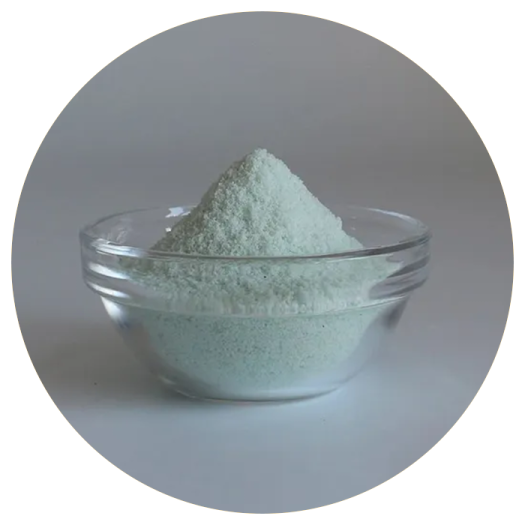
Available: 0 Already Sold: 0CAS:7720-78-7,Ferrous sulfate, a common iron supplement, is primarily used to treat and prevent iron deficiency anemia. It is often prescribed for individuals with low iron levels, such as pregnant women, those with heavy menstrual bleeding, or individuals with certain dietary restrictions. In addition to its medicinal uses, ferrous sulfate serves as a soil amendment in agriculture to correct iron chlorosis in plants. It is also utilized in various industrial applications, including water treatment and as a reducing agent in chemical processes. Proper dosing and adherence to guidelines are essential to avoid side effects.
- Новый
 Gentle New
Magnesium sulphate heptahydrate (EP 7.0)
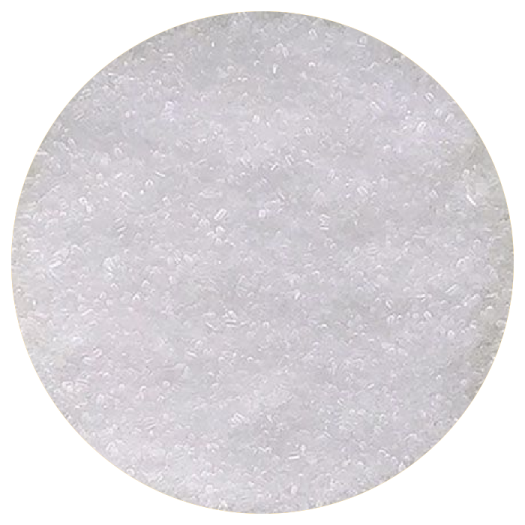
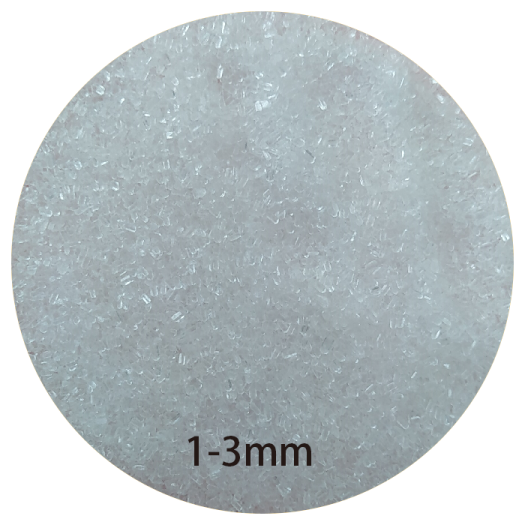
Available: 0 Already Sold: 0Magnesium sulphate heptahydrate (MgSO₄·7H₂O), commonly known as Epsom salt, is widely used in agriculture, industry, medicine, and food processing. In agriculture, it supplies essential magnesium and sulfur nutrients to crops, improving chlorophyll formation and plant growth. Industrially, it is used in textiles, paper manufacturing, and as a drying agent. In medicine, it serves as a laxative, electrolyte replenisher, and treatment for magnesium deficiency. It is also used in bath salts to relieve muscle pain and stress. In the food industry, it functions as a firming agent and mineral supplement.